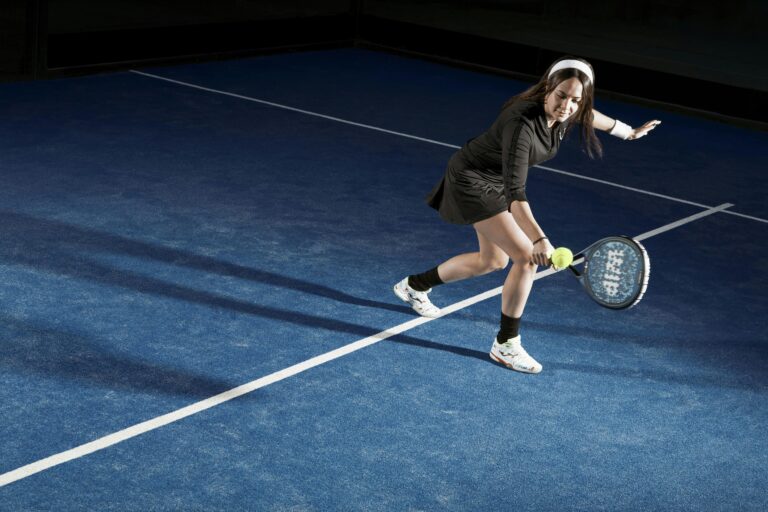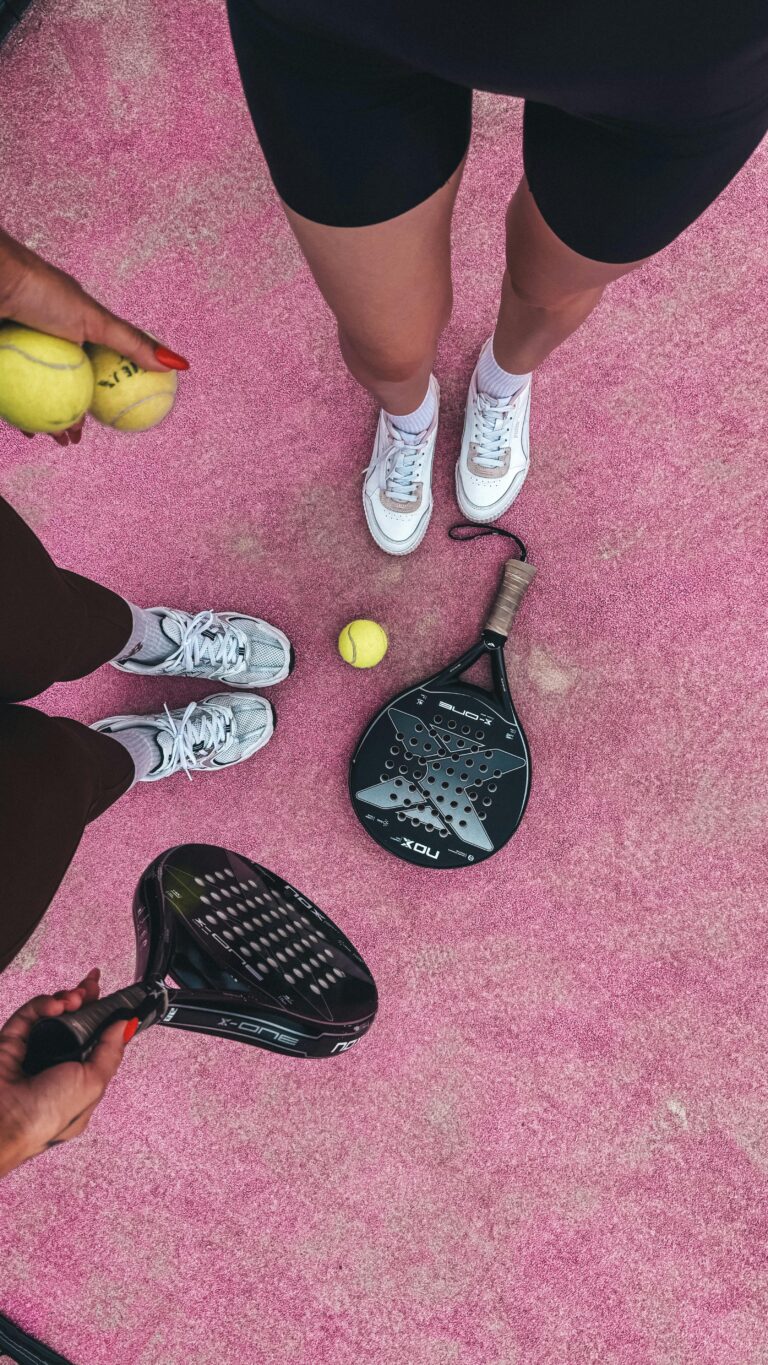
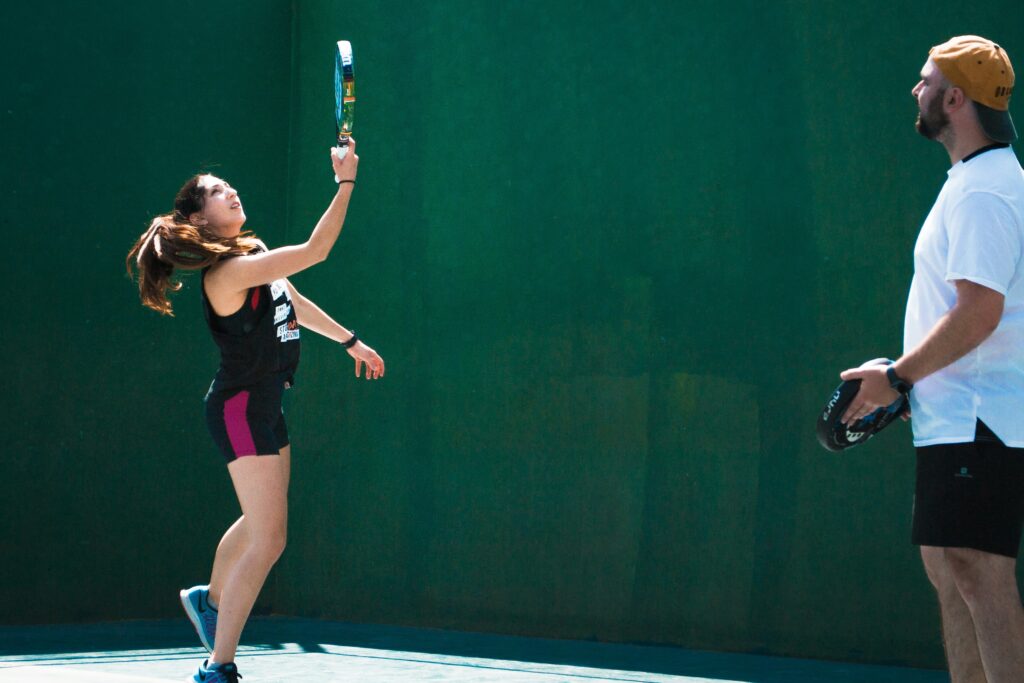
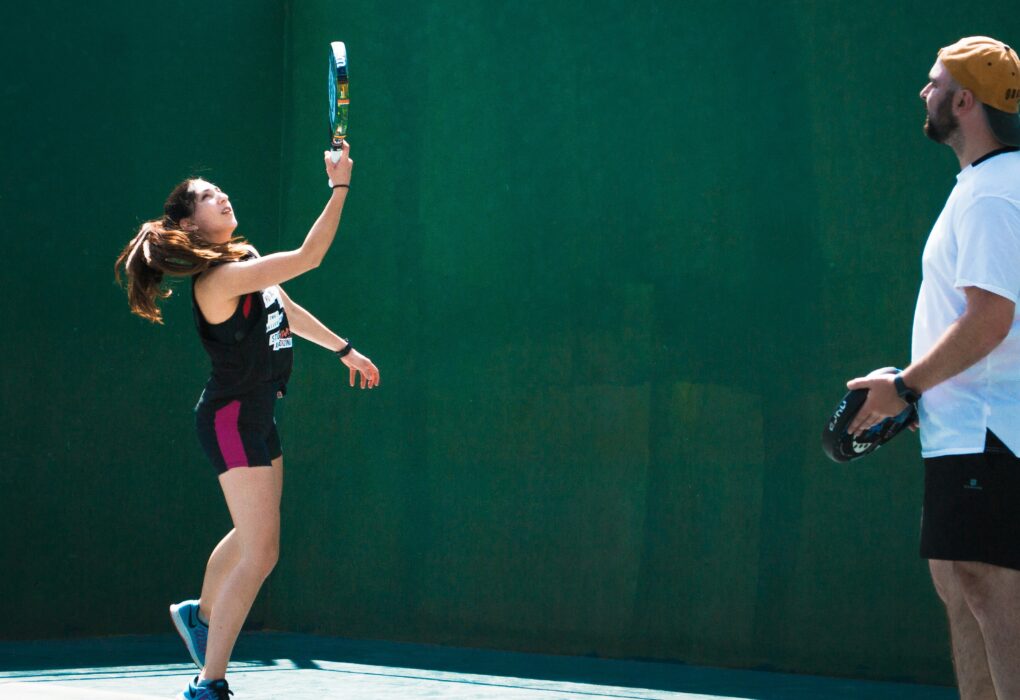
Padel is one of the fastest-growing sports in the world — and it’s no surprise why. It’s fast, social, forgiving, and one of the easiest racket sports to start enjoying right away, even if you’ve never played anything like it before.
This guide is made for complete beginners: no complicated terms, no assumptions about prior experience — just clear steps so you can understand the game and get on the court quickly.
What Makes Padel So Special?
It’s like tennis and squash combined, but simpler and more fun:
Small enclosed court (20 m × 10 m) with glass walls on the back and sides
Always played in doubles (2 vs 2)
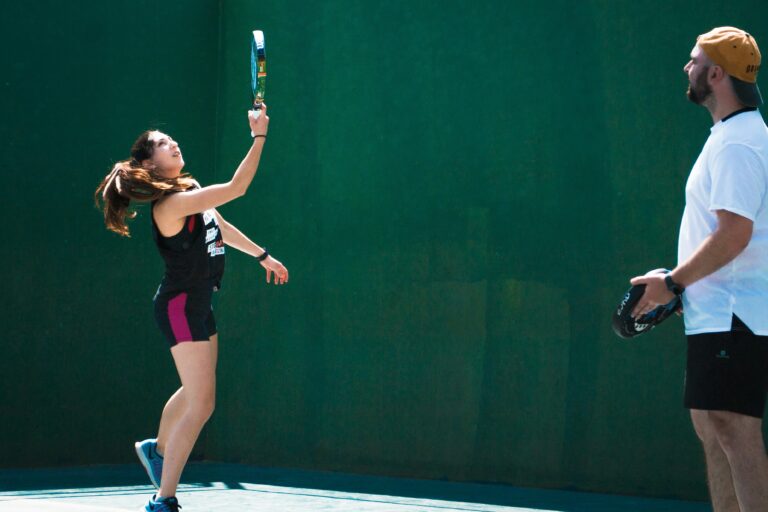
You are allowed — and encouraged — to use the walls (the ball stays in play much longer)
Only underhand serves (no powerful overhead serves)
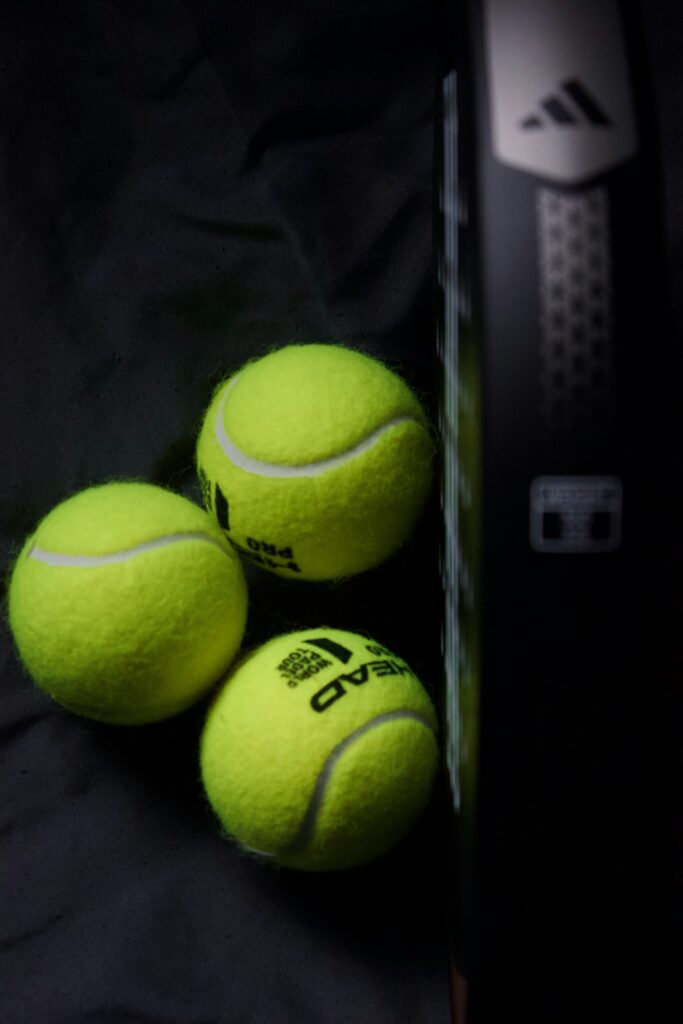
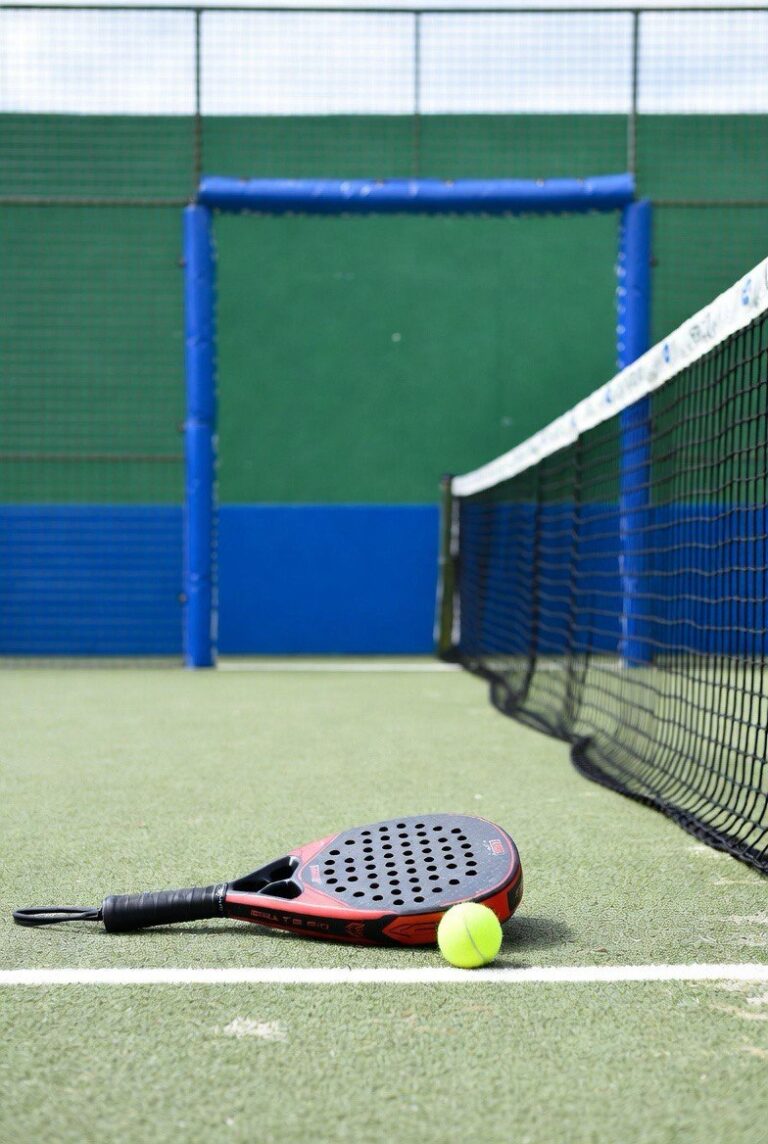
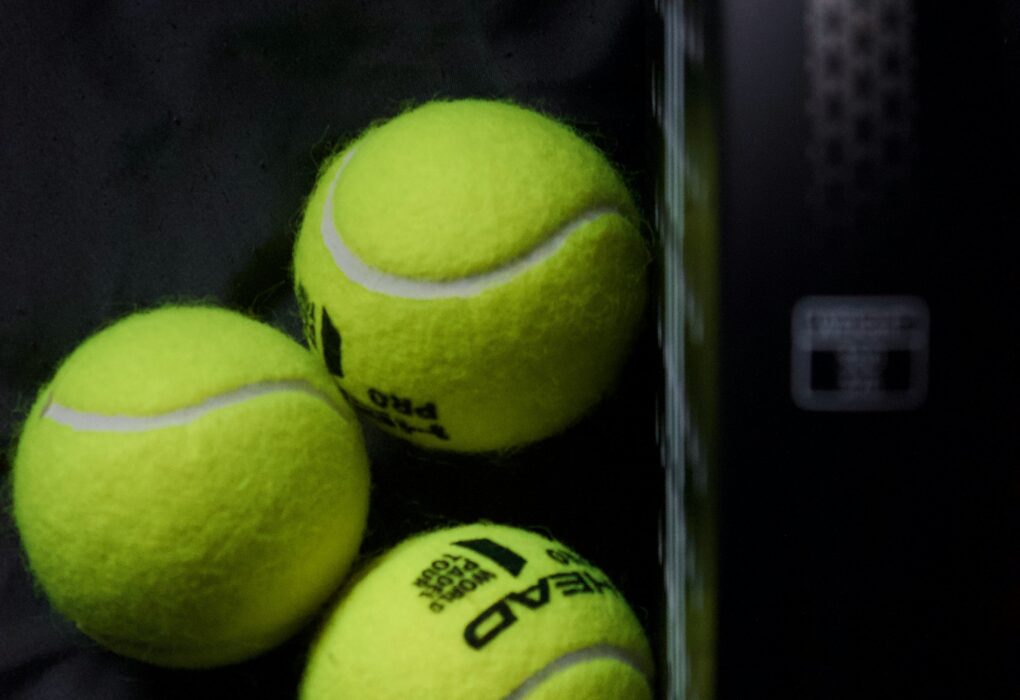
Solid racket with no strings, slightly softer ball
Short, dynamic rallies that reward reflexes, teamwork and smart placement over brute force
Because of the walls and small court, mistakes are less punishing, rallies feel exciting, and beginners can actually play a proper game from the very first session.
The Rules — Super Simple Version
Serving Bounce the ball once on the ground behind the service line → hit it underhand (below waist height) diagonally into the opponent’s service box. You get two attempts.
During the point
Ball must cross the net and land in the opponent’s half
It can bounce once on the ground — or rebound off any wall after the first bounce
Volleys (hitting before bounce) are allowed after the serve has bounced once
Walls are fully in play — use them creatively!
Point ends when
Ball bounces twice on your side
Ball hits the net and doesn’t go over
Ball goes out without touching a wall (after bounce)
Scoring Exactly like tennis: 15 – 30 – 40 – game 6 games win a set (tiebreak at 6–6) Matches are usually best of 3 sets A typical game lasts 60–90 minutes — perfect length for fun without exhaustion.
Most Common Beginner Mistakes & Easy Fixes
Hitting too hard → Prioritize control and placement — power comes later
Not using the walls → Practice high shots that bounce off the back glass — excellent defensive tool
Messing up the serve → Always remember: bounce once → underhand → correct box
Standing in the wrong place → One player at the net (for volleys), one at the back (to cover lobs). Switch sides when needed.
Why Padel Is Ideal for Beginners
Small court = much less running than tennis
Walls keep the ball alive longer → more action, fewer dead points
Underhand serve levels the playing field — no one dominates from the start
Doubles format = built-in friends, laughter and teamwork
Low learning curve — most people leave their first session wanting to play again immediately
Health & Feel-Good Benefits
Natural cardio from constant short bursts and movement
Full-body workout — legs, core, arms, shoulders — no gym required
Very low impact on joints — much gentler than running or tennis
Improves coordination, reaction time and balance
Big mental boost — social doubles play reduces stress, lifts mood and combats loneliness
Padel doesn’t feel like “exercise”. It feels like play — and that’s exactly why so many beginners stick with it long-term.
Ready to Give It a Try?
What you need:
Comfortable athletic clothes and sneakers
Rent a racket and balls at any padel facility (usually cheap or free for first-timers)
Just show up, have fun with your shots, use the walls, laugh at the mishits. The game is forgiving, the community is welcoming, and the enjoyment is instant.
Want more beginner-friendly explanations? Stay here on padel-sensation.com — everything is written with new players in mind.
See you on the court soon! MIRO
Blog-padel sensation
-
Padel for Absolute Beginners: Simple Rules, Easy Start & Why You’ll Love It
-
Padel Rules for Beginners: A Fast-Paced Sport Anyone Can Learn
By Miro
January 2026In recent years, padel has emerged as one of the fastest-growing racket sports across Europe and now increasingly in the United States. With its compact court, social format, and easy-to-learn rules, padel is attracting players of all ages — especially beginners looking for a fun and accessible way to stay active.
What Is Padel?
Padel is a doubles-based sport played on an enclosed court roughly one-third the size of a tennis court. It combines elements of tennis and squash, allowing the ball to bounce off glass walls during play. The result is a dynamic, fast-paced game that rewards reflexes, teamwork, and strategy over brute strength.The Basics: How to Play
Teams: Padel is played in pairs — two versus two.Serving: All serves are underhand and must bounce once in the opponent’s service box.
Court Use: Players can use the walls to rebound the ball, adding a layer of tactical depth.
Equipment: Padel rackets are solid and perforated, unlike stringed tennis rackets. Balls resemble tennis balls but have slightly less pressure.
Scoring System
Padel uses the same scoring format as tennis:
15 – 30 – 40 – game.
Six games make up a set, and matches are typically played as best of three sets. If the score reaches 6–6, a tie-break decides the set.Match Duration
A standard padel match lasts between 60 and 90 minutes, depending on the level of play and competitiveness. For beginners, shorter friendly games are common and ideal for learning the flow of the sport.Common Mistakes Beginners Make
Overpowering the ball: Unlike tennis, padel rewards control over force.Ignoring the walls: The glass walls are part of the game — use them strategically.
Faulty serves: Beginners often forget the ball must bounce in the correct box after an underhand serve.
Poor positioning: Staying too close to the net or too far back can leave gaps for opponents to exploit.
Why Padel Is Perfect for Beginners
Padel’s appeal lies in its simplicity. The rules are intuitive, the rallies are short, and the court size makes movement manageable. It’s a sport that encourages social interaction, making it ideal for families, friends, and corporate groups. Plus, the learning curve is gentle — most players can enjoy a full match after just one or two sessions.Final Word
Whether you’re looking for a new hobby, a fitness boost, or a social outlet, padel offers a compelling mix of all three. With its beginner-friendly rules and growing popularity, now is the perfect time to pick up a racket and step onto the court. -
Padel Rules for Beginners: A Fast-Paced Sport Anyone Can Learn
By MIRO
January 2026In recent years, padel has emerged as one of the fastest-growing racket sports across Europe and now increasingly in the United States. With its compact court, social format, and easy-to-learn rules, padel is attracting players of all ages — especially beginners looking for a fun and accessible way to stay active.
What Is Padel?https://padel-sensation.com/
Padel is a doubles-based sport played on an enclosed court roughly one-third the size of a tennis court. It combines elements of tennis and squash, allowing the ball to bounce off glass walls during play. The result is a dynamic, fast-paced game that rewards reflexes, teamwork, and strategy over brute strength.The Basics: How to Play
Teams: Padel is played in pairs — two versus two.Serving: All serves are underhand and must bounce once in the opponent’s service box.
Court Use: Players can use the walls to rebound the ball, adding a layer of tactical depth.
Equipment: Padel rackets are solid and perforated, unlike stringed tennis rackets. Balls resemble tennis balls but have slightly less pressure.
Scoring System
Padel uses the same scoring format as tennis:
15 – 30 – 40 – game.
Six games make up a set, and matches are typically played as best of three sets. If the score reaches 6–6, a tie-break decides the set.Match Duration
A standard padel match lasts between 60 and 90 minutes, depending on the level of play and competitiveness. For beginners, shorter friendly games are common and ideal for learning the flow of the sport.Common Mistakes Beginners Make
Overpowering the ball: Unlike tennis, padel rewards control over force.Ignoring the walls: The glass walls are part of the game — use them strategically.
Faulty serves: Beginners often forget the ball must bounce in the correct box after an underhand serve.
Poor positioning: Staying too close to the net or too far back can leave gaps for opponents to exploit.
Why Padel Is Perfect for Beginners
Padel’s appeal lies in its simplicity. The rules are intuitive, the rallies are short, and the court size makes movement manageable. It’s a sport that encourages social interaction, making it ideal for families, friends, and corporate groups. Plus, the learning curve is gentle — most players can enjoy a full match after just one or two sessions.Final Word
Whether you’re looking for a new hobby, a fitness boost, or a social outlet, padel offers a compelling mix of all three. With its beginner-friendly rules and growing popularity, now is the perfect time to pick up a racket and step onto the court.
-
Padel for Absolute Beginners: Simple Rules, Easy Start & Why You’ll Love It
Padel is one of the fastest-growing sports in the world — and it’s no surprise why. It’s fast, social, forgiving, and one of the easiest racket sports to start enjoying right away, even if you’ve never played anything like it before.This guide is made for complete beginners: no complicated terms, no assumptions about prior experience…
-
Padel Rules for Beginners: A Fast-Paced Sport Anyone Can Learn
By Miro January 2026 In recent years, padel has emerged as one of the fastest-growing racket sports across Europe and now increasingly in the United States. With its compact court, social format, and easy-to-learn rules, padel is attracting players of all ages — especially beginners looking for a fun and accessible way to stay active.…
-
Padel Rules for Beginners: A Fast-Paced Sport Anyone Can Learn
By MIROJanuary 2026 In recent years, padel has emerged as one of the fastest-growing racket sports across Europe and now increasingly in the United States. With its compact court, social format, and easy-to-learn rules, padel is attracting players of all ages — especially beginners looking for a fun and accessible way to stay active. What…
-
Health Benefits of Padel for Beginners: Why It’s the Perfect Sport to Start With
⸻ Health Benefits of Padel for Beginners: Why It’s the Perfect Sport to Start With Padel is one of the fastest-growing sports in the world — and for good reason.For beginners, it offers a fun, low-impact, and highly social way to improve fitness without the pressure of traditional training or gym routines. Whether you’re new…
-
-
Health Benefits of Padel for Beginners: Why It’s the Perfect Sport to Start With
⸻
Health Benefits of Padel for Beginners: Why It’s the Perfect Sport to Start With
Padel is one of the fastest-growing sports in the world — and for good reason.
For beginners, it offers a fun, low-impact, and highly social way to improve fitness without the pressure of traditional training or gym routines.Whether you’re new to sports, returning after a long break, or simply looking for an enjoyable way to stay active, padel is an excellent choice.
⸻
Why Padel Is Beginner-Friendly
Unlike many sports, padel is:
• easy to learn
• played at a moderate pace
• designed for doubles and social interactionThanks to underhand serves, a smaller court, and longer rallies, beginners can enjoy real gameplay from the very first session — no advanced skills required.
⸻
Key Health Benefits of Padel for Beginners
- Improves Cardiovascular Health
Padel naturally raises your heart rate through constant movement, short sprints, and quick reactions.
This improves:
• blood circulation
• oxygen delivery
• overall heart healthBecause the intensity comes from play rather than forced effort, beginners often don’t even realize they’re doing effective cardio.
⸻
- Provides a Full-Body Workout
Padel engages multiple muscle groups at once:
• legs and glutes for movement and balance
• core muscles for stability and rotation
• arms and shoulders for shots and controlThis makes padel a balanced, full-body workout that builds strength, agility, and endurance without heavy equipment or gym machines.
⸻
- Low-Impact and Joint-Friendly
One of the biggest advantages of padel for beginners is its low impact on joints.
Compared to running or traditional tennis:
• movements are shorter and more controlled
• the court is smaller
• stress on knees, ankles, and hips is reducedThis makes padel suitable for all ages, including people returning to sport after injury or long inactivity.
⸻
- Enhances Coordination and Balance
Padel improves:
• reaction time
• hand-eye coordination
• spatial awarenessThe use of glass walls and rebounds keeps players mentally engaged, which helps develop motor skills and balance — important for both sports performance and everyday life.
⸻
- Supports Mental and Emotional Well-Being
Padel is always played in doubles, making it one of the most social racket sports.
Regular play helps:
• reduce stress
• improve mood
• combat lonelinessThe combination of physical activity and social interaction has a strong positive effect on mental health, especially for beginners who may feel intimidated by solo workouts.
⸻
Padel vs Other Beginner Fitness Options
Aspect Padel Gym Running
Learning curve Easy Medium Easy
Social interaction High Low Very low
Joint impact Low Medium High
Motivation Fun-driven Discipline-driven Routine-drivenPadel stands out because it keeps beginners motivated through enjoyment rather than obligation.
⸻
Why Beginners Stick With Padel
• Immediate enjoyment from the first game
• No pressure to be “fit” before starting
• Built-in community and social play
• Sustainable, long-term physical activityPadel doesn’t feel like training — it feels like play.
⸻
Is Padel a Good Way to Start an Active Lifestyle?
Absolutely.
Padel combines:
• cardiovascular exercise
• strength and coordination
• mental relaxation
• social connectionAll in one activity.
For beginners, it’s one of the healthiest and most enjoyable ways to become more active without stress or burnout.
⸻
Final Thoughts
If you’re looking for a sport that is:
• easy to start
• gentle on the body
• effective for fitness
• and genuinely funPadel is hard to beat.
Try one session — and you’ll quickly understand why so many beginners never stop playing.